Top Tips to Eliminate Cat Litter Smell Fast
Dealing with Cat Litter Smell can be a challenging task for pet owners. It's a common issue that many face daily. A clean home is essential, and an unpleasant odor can disrupt that tranquility. Many techniques exist to tackle this problem, but not all are effective for every situation.
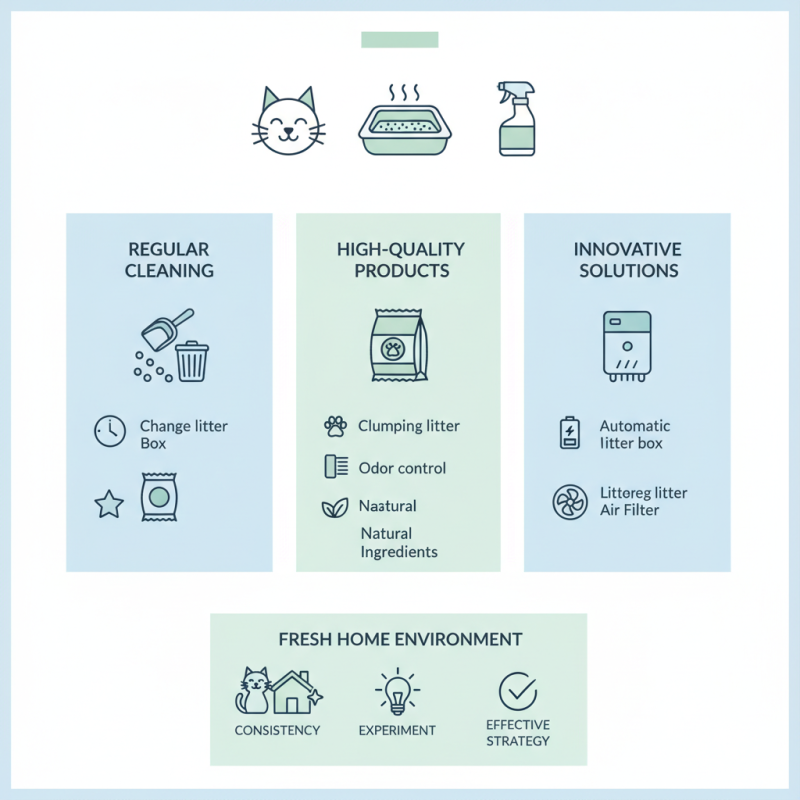
To understand how to eliminate cat litter smell, we must explore practical tips. Regular cleaning habits are crucial. Changing the litter frequently and using high-quality products can make a significant difference. Sometimes, traditional methods fall short, leading to frustration. This is where innovative solutions come into play.
Creating a fresh environment for your cat and yourself is achievable. It requires consistency and a willingness to experiment with various approaches. Embracing these tips will help you combat the lingering cat litter smell effectively. Your living space deserves to be inviting, and with the right strategies, it can be.
Understanding the Source of Cat Litter Odor
Understanding the source of cat litter odor is crucial for effective odor management. The primary cause of these unpleasant smells is ammonia, which is produced from urine. According to a study by the Journal of Feline Medicine and Surgery, ammonia levels can quickly rise to harmful concentrations in poorly ventilated spaces. This not only creates a foul odor but can also affect both human and feline health.
Regular cleaning can mitigate these odors. Aim to scoop the litter box daily. This simple practice can significantly reduce the buildup of waste. Additionally, consider replacing the litter entirely every two weeks. Keeping the litter box clean is essential for preventing odor issues.
Another tip is to ensure proper ventilation in the area where the litter box is located. Fresh air can help disperse odors. A small fan or an open window can make a significant difference. If the smell persists, using odor-neutralizing additives can help. Just remember, while these solutions are helpful, they can't replace regular maintenance.
Let’s not overlook the litter box's location. A hidden box may be less convenient to clean. This could lead to more odors if it’s not easily accessible. Acknowledging these factors can lead to better odor management and create a more pleasant environment for both you and your cat.
Top Tips to Eliminate Cat Litter Smell Fast - Understanding the Source of Cat Litter Odor
| Tip | Description | Frequency | Effectiveness |
| Regular Cleaning | Scoop litter daily to remove waste. | Daily | High |
| Deep Cleaning | Wash the litter box with soap and water. | Weekly | Very High |
| Changing Litter | Switch to a more absorbent litter type. | As Needed | High |
| Odor Neutralizers | Use baking soda or commercial odor absorbers. | Daily | Moderate |
| Ventilation | Ensure good airflow around the litter area. | Daily | High |
Choosing the Right Type of Cat Litter for Odor Control
When it comes to controlling litter box odors, choosing the right type of cat litter is essential. Research suggests that about 80% of cat owners experience odor issues with traditional clay litters. Many litters are made from materials that fail to absorb moisture effectively, leading to lingering smells.
Natural litters, such as those made from corn or recycled paper, offer better odor control. According to a study by the Journal of Feline Medicine and Surgery, these types of litters can reduce ammonia production by up to 30%. This reduction not only limits odors but also contributes to a healthier environment for both cats and their owners.
It’s important to note that not every cat will prefer these alternatives. Some cats may resist switching to a new texture or scent. Experimenting with small batches may be necessary. Observe your cat’s behavior closely. Pay attention to their preferences, as ensuring their comfort is key to a successful litter change. Ultimately, the right choice involves a balance between odor control and your cat’s preferences.
Regular Cleaning Practices to Minimize Smell
Keeping your cat's litter box clean is essential for minimizing odors. One effective method is to scoop the box daily. This simple act prevents waste from accumulating and reduces odor intensity. Remember, regular maintenance is crucial. If you're consistent, the smell will be significantly less.
In addition to daily scooping, changing the litter regularly is important. Cat litter can trap moisture and bacteria, leading to bad smells. Aim to replace the litter at least once a week. Clean the box itself with warm, soapy water during this process. Rinse thoroughly to remove any residue. This will create a fresh environment for your cat.
Sometimes, even regular cleaning may not eliminate all smells. You might need to assess the type of litter you use. Some litters control odors better than others. Additionally, consider the location of the litter box. If it’s in an enclosed space, odors can build up quickly. Think about placing an air purifier nearby. These steps can help create a more pleasant atmosphere in your home.
Natural Remedies to Neutralize Cat Litter Odors
Cat litter odor can be disruptive. Natural remedies are effective in neutralizing these smells quickly. One popular method is using baking soda. Studies show that it absorbs moisture and neutralizes odors effectively. A sprinkle of baking soda on top of litter can significantly reduce unpleasant smells.
Another effective remedy is vinegar. This common household item is known for its acetic acid content. It can break down odor-causing bacteria. Mixing equal parts vinegar and water in a spray bottle provides a simple solution. Spraying this mixture around the litter box can help refresh the area. However, be cautious; too much moisture can lead to mold growth.
Activated charcoal is another natural odor absorber. It has been shown to trap odors and toxins. Placing a small container of activated charcoal near the litter box may enhance overall ambiance. However, not all cats respond well to new scents. Test if your pet is comfortable with these changes. Finding the right balance is essential for both you and your cat.
Preventive Measures for Long-Term Odor Management
Managing cat litter odor is a challenge many cat owners face. One of the best preventive measures is to use high-quality litter. Look for options that absorb moisture well and reduce odor effectively. Changing the litter frequently is essential; aim for at least once a week. This helps keep the box clean and minimizes smells.
Another important aspect is the location of the litter box. Place it in a well-ventilated area. This can significantly reduce lingering odors in your home. Additionally, regular cleaning is crucial. Scrub the box weekly with mild soap and water. This not only combats odor but also maintains a healthier environment for your cat.
Consider using odor-neutralizing products made from natural ingredients, which can enhance the freshness. Ensure your cat's diet is balanced, as this can impact their waste and odor. Monitor your cat's health, as certain medical issues can lead to stronger odors. Being proactive in these areas will help maintain a fresh living space while keeping your feline friend happy.