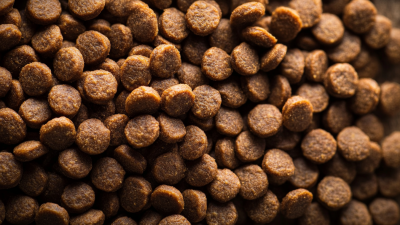
Choosing the best Food For Dog in 2026 requires more than attractive packaging or trending ingredients. A shiny bowl photograph cannot reveal nutrient balance, digestibility, or manufacturing quality. This guide begins with a practical question: what does your dog actually need? Age, size, activity, breed tendencies, health history, and body condition all matter. A growing puppy and an older terrier should not share the same formula automatically. Neither should a sedentary apartment dog and a working herding dog.
Reliable decisions start with evidence, not fear. Look for a complete-and-balanced nutritional statement suited to your dog’s life stage. Compare protein sources, fat levels, calories, fiber, and feeding directions on the label. Ingredient lists provide clues, but they do not tell the entire story. Manufacturer transparency matters too, including quality testing, formulation expertise, and clear contact information. A veterinarian or qualified veterinary nutritionist can interpret these details when allergies, kidney disease, obesity, or digestive problems complicate the choice. Their advice should complement careful observation at home.
Watch the small signals. Note stool quality, coat condition, energy, appetite, and body weight after changing food gradually. A food that works beautifully for one dog may cause itching or loose stools in another. Even expert recommendations can miss an individual response. That is worth admitting. Keep a simple feeding log, reassess regularly, and question bold promises lacking supporting evidence. The best choice is not always the most expensive bag. It is the safe, nutritionally appropriate option your dog tolerates well over time.

How to Choose the Best Food for Dog in 2026?
Understanding Your Dog’s Nutritional Needs in 2026
The best dog food starts with your dog, not a marketing claim. Age, size, activity, health, and reproductive status all affect daily nutrition. Puppies need carefully balanced energy for growth. Older dogs may need fewer calories and more support for muscle maintenance. Active dogs often require additional energy, but overfeeding remains an easy mistake. Look for a clear nutritional adequacy statement based on recognized feeding standards. Ingredients matter, but balance matters more. A veterinary professional can help when kidney disease, allergies, or digestive problems are involved.
Tips: Measure each meal with a kitchen scale. Adjust portions after checking body condition, not only package instructions. Fresh water should always be available. Introduce a new diet gradually over seven to ten days. Watch stool quality, energy, coat condition, and weight. Keep a simple feeding record.
In 2026, personalized nutrition tools may offer useful guidance, but they cannot replace clinical judgment. Your dog’s needs can change after surgery, illness, or reduced exercise. Reassess portions every few weeks. A food that worked last year may not fit today. I would avoid changing diets repeatedly without a clear reason. It can make symptoms harder to understand. No feeding plan is perfect. Careful observation still matters.

Choosing the best dog food in 2026 requires more than attractive packaging or impressive ingredient lists. Compare dry food, wet food, fresh meals, and carefully formulated raw alternatives by nutrition, safety, and suitability. Dry food is convenient and easy to measure. Wet food provides extra moisture for dogs that drink little. Fresh formulas may offer appealing textures, but storage and handling require greater care.
Read the ingredient panel with context. Meat, fish, or eggs can provide valuable protein, while grains and vegetables may supply energy and fiber. Avoid judging food by one ingredient alone. Check whether it is labeled complete and balanced for your dog’s life stage. Reliable manufacturers should provide feeding guidance, traceable production, quality testing, and clear contact information. Independent feeding trials or documented nutrient analysis add credibility. A veterinarian or qualified animal nutritionist can help when allergies, obesity, or kidney concerns exist.
Tips: Match portions to body condition, not begging behavior. Watch your dog’s stool, coat, energy, and weight after changing foods. Change gradually over seven days. Keep fresh water available. I once underestimated calorie density in a small serving, and the weight gain appeared slowly. Labels can also be confusing, even for careful owners. Review them critically, and ask questions when evidence seems vague.
| Food Type | Typical Moisture | Nutritional Characteristics | Potential Advantages | Potential Limitations | Suitable Uses | Quality Checks |
|---|---|---|---|---|---|---|
| Dry Food | Usually about 8%–12% | Energy-dense and generally higher in calories per gram because it contains little water. | Convenient to store, easy to portion, and usually practical for daily feeding. | Provides limited water, so fresh drinking water must always be available. Calorie density can encourage overfeeding. | Healthy adult dogs and households that prefer convenient portion control. | Check calories per serving, life-stage adequacy, ingredient order, and the guaranteed analysis. |
| Wet or Canned Food | Commonly about 70%–85% | Contains substantially more water and is often less calorie-dense by weight than dry food. | Can help increase total water intake and may be easier for dogs with reduced appetite or chewing difficulty. | After opening, it requires refrigeration and should be handled according to the package instructions. It may be less convenient for travel. | Dogs that prefer soft textures, need extra dietary moisture, or have difficulty chewing. | Compare calories on an as-fed basis and confirm that the food is complete and balanced rather than intended only for supplemental feeding. |
| Fresh Cooked Food | Often about 55%–75%, depending on the recipe | Moisture and nutrient levels vary widely because recipes may use different proportions of meat, grains, vegetables, and oils. | Soft texture and flexible ingredient selection; some dogs may find it highly palatable. | Home-prepared recipes can be deficient or excessive in calcium, certain vitamins, minerals, or essential fatty acids if not properly formulated. | Dogs whose owners want a cooked diet and can follow a nutritionally complete formulation. | Use a recipe formulated by a qualified veterinary nutrition professional or select a product with a complete-and-balanced adequacy statement. |
| Freeze-Dried Food | Often about 2%–8% before rehydration | Water is removed at low temperatures, creating a lightweight food that is usually energy-dense. | Longer unopened storage than fresh food and convenient for travel; can be rehydrated to increase moisture. | Usually more expensive per calorie and may be easy to overfeed. Rehydration and safe handling instructions should be followed. | Travel, rotation feeding, or dogs that prefer a dry but less conventionally processed texture. | Check whether it is complete and balanced, review calorie density, and follow water, storage, and handling directions. |
| Dehydrated Food | Often about 5%–12% before rehydration | Water is removed through controlled heating or drying; nutrient concentration varies by recipe and process. | Lightweight storage, a long unopened shelf life, and the option to add water before feeding. | May require preparation time and careful portion adjustment after water is added. Heat-sensitive nutrients may need formulation support. | Owners seeking a shelf-stable alternative that can be served with added water. | Confirm feeding instructions, calorie information, ingredient quality, and nutritional adequacy for the intended life stage. |
| Raw Food | Highly variable; commonly about 55%–75% for fresh raw diets | Can provide animal ingredients and high moisture, but nutrient composition differs greatly between recipes. | May suit owners seeking an uncooked feeding approach and may offer a texture some dogs prefer. | Raw animal ingredients can carry pathogens. Unbalanced recipes may cause nutritional deficiencies or excesses, and bones can create physical hazards. | Only when the owner understands food safety and uses a properly balanced formulation under professional guidance. | Assess pathogen controls, calcium-to-phosphorus balance, complete-and-balanced status, and safe storage and preparation procedures. |
| Veterinary Therapeutic Diet | Varies by formulation | Designed around specific nutritional goals, such as controlled minerals, hydrolyzed proteins, or adjusted fiber. | Can support dietary management of diagnosed conditions when used as part of a veterinary plan. | Not every formula is appropriate for every dog, and an incorrect diet may interfere with disease management. | Dogs with conditions such as kidney disease, food-responsive disorders, urinary problems, or obesity, when advised by a veterinarian. | Use only with veterinary guidance and monitor body weight, clinical signs, and follow-up test results when recommended. |
Important: Moisture ranges are typical estimates, not fixed standards. Always use the product label for the exact moisture, calorie content, feeding amount, storage instructions, and intended use.
Age changes a dog’s nutritional needs. Puppies need controlled energy, protein, and minerals for steady growth. Large-breed puppies need extra care because rapid growth can strain developing joints. Adult dogs usually need balanced calories that match their daily activity. Senior dogs may need fewer calories, but lower protein is not always appropriate. A veterinarian can assess kidney function, muscle loss, and other age-related concerns.
Size also affects feeding. Small dogs often benefit from smaller pieces and calorie-dense formulas. Large dogs may need larger pieces and carefully measured portions. Breed can offer useful clues, but it should not decide everything. A quiet retriever and an athletic retriever may need very different calories. Watch the waist and ribs. You should feel the ribs without seeing every bone.
Health conditions require professional guidance. Dogs with allergies, digestive problems, obesity, or urinary concerns may need a therapeutic formula. Check the nutritional adequacy statement and feeding instructions on the label. These are useful starting points, not exact rules. I once trusted a measuring cup that was too large, and the dog gained weight quietly. Portion accuracy matters. Change foods gradually over seven days, while observing stool, appetite, coat, and energy. Treats count too. Keep them modest.
A reliable label should name a specific animal protein, not simply “meat.” Check the nutritional adequacy statement for your dog’s life stage. AAFCO Dog Food Nutrient Profiles remain a useful professional reference, although they are not a complete quality ranking. Ingredients appear by weight, so the first item does not tell the whole story.
Look for calories per serving, protein percentage, feeding instructions, and the manufacturer’s contact details. I still read labels twice. Marketing language can distract from basic nutrition.
Allergens require careful observation. Dogs may react to beef, dairy, chicken, wheat, or other ingredients, but itching can have many causes.
A 2023 review in Veterinary Dermatology found food allergies were less common than environmental allergies in dogs.
Do not remove several ingredients randomly. Veterinarians commonly use a strict elimination diet, often for eight to twelve weeks, followed by controlled reintroduction.
It feels slow. It provides clearer evidence.
Safety includes storage and portion control. The FDA warns that raw pet food can carry pathogens such as Salmonella and Listeria, creating risks for pets and households. Wash bowls, hands, and food containers after handling.
Follow the package’s calorie guidance, then adjust portions with veterinary advice. APOP’s 2022 survey estimated that 59% of dogs were overweight or obese. That figure is sobering.
Treats should usually stay below 10% of daily calories, but individual needs vary with age, activity, and health. One feeding chart cannot fit every dog.
Choosing a new dog food should begin with your dog’s age, size, activity, and medical history. A puppy needs different nutrients than a senior dog. Dogs with kidney disease, allergies, or digestive problems may need veterinary guidance before changing meals. I check the ingredient panel, calorie content, feeding instructions, and nutritional adequacy statement. Marketing words can sound impressive, but they do not replace balanced nutrition.
Change slowly. Mix a small amount of the new food with the current food for several days. Increase the new portion gradually over seven to ten days, if your dog remains comfortable. Watch the bowl. Record appetite, stool quality, water intake, energy, and body weight. A simple phone note can reveal patterns that memory misses.
Introducing treats, supplements, and new food together makes reactions harder to identify.
Loose stool can happen during a transition, but repeated diarrhea, vomiting, facial swelling, breathing difficulty, severe itching, or unusual tiredness needs prompt veterinary attention.
Weight changes also deserve review, even when the food appears suitable. In my experience, owners sometimes change foods too quickly because one meal looks disappointing. I have made that mistake myself. Some dogs need more time, while others clearly show that a formula is unsuitable. Reassess portions regularly, because package directions are starting points, not personal prescriptions.