Best Cat Food in China for Global Buyers?
When considering cat food in China, global buyers face a unique market landscape. The options available are vast and often confusing. Quality cat food is crucial for the health of our feline companions. Many international brands enter China, yet local formulas often gain popularity for various reasons.
Chinese cat food brands are increasingly prioritizing nutritional value, catering to both domestic and international tastes. Buyers need to carefully assess ingredients, sourcing practices, and quality assurances. Some brands excel, while others may lack transparency on sourcing. As consumers, we should reflect on our choices and the impact on pet health.
Exploring the best cat food in China opens a dialogue about pet nutrition standards. Understanding these factors will empower buyers to make informed decisions. It's not just about purchasing a product; it's about ensuring our beloved pets receive the best care.
Understanding the Pet Food Market in China: Key Insights and Trends
The pet food market in China has been evolving rapidly. In 2020, the pet food sector in China was valued at approximately $3.5 billion, with a projected growth rate of 20% annually. This growth reflects a rising interest in pet ownership and high-quality nutrition for pets. Chinese consumers increasingly seek premium cat food options, influenced by educational campaigns around pet health.
Trends indicate a shift towards natural ingredients. Many buyers prefer grain-free, high-protein diets for their cats. Reports suggest that over 30% of pet owners are willing to pay more for organic ingredients. The demand for innovative flavors and nutritional benefits drives market expansion. However, quality assurance remains a concern. Some products lack clear labeling and transparency about ingredient sourcing.
Bridging the gap between global standards and local practices is essential. There's a need for education about pet nutrition in China. Consumers often battle misinformation, leading to choices that might not align with their cat's health needs. More awareness could promote better decision-making and improved standards across the industry.
Nutritional Standards for Cat Food: Importance of Quality Ingredients
When selecting cat food in China, it is essential to prioritize quality ingredients. High-quality proteins, healthy fats, and essential minerals should be the focus. Cats are obligate carnivores, meaning they require meat for optimal health. The first ingredient should be a named meat source. This information helps in understanding the food's nutritional value.
Nutritional standards in cat food are vital. Ensure that options meet internationally recognized guidelines for pet food safety. Look for indications of thorough testing and clinical studies. Ingredients should be free from fillers and artificial additives. A clean label is a positive sign, but always delve deeper. Some foods may look good on paper but fail in actual nutrition.
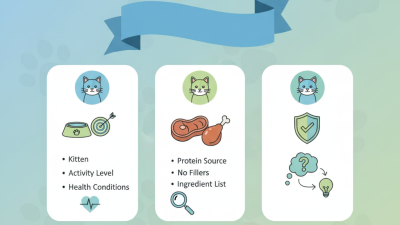
Moreover, it’s important to recognize that what works for one cat may not work for another. Individual dietary needs vary based on age, activity level, and health status. Regularly consult with a veterinarian to adjust your cat's diet as needed. This approach keeps your feline friend healthier and happier. Choices can be overwhelming, so take time to research.
Top Cat Food Brands in China: A Comparative Analysis of Popular Products
Choosing cat food in China can be daunting. The range of options is vast, and understanding what suits your pet is crucial. Popular cat food brands vary widely. They often boast high protein content, grain-free formulas, and unique flavors. However, not all products are suitable for every cat. Some contain unnecessary fillers or artificial ingredients.
When comparing different brands, look for certifications. A reliable product should undergo testing and quality checks. Nutrition labels reveal key information like protein sources and calorie content. Cats require specific nutrients, so not all foods meet their needs. Be cautious of trendy marketing claims; they don't always guarantee quality.
Some brands may lack transparency regarding ingredient sourcing. Reading reviews can provide insights but can also be misleading. It's essential to consult with a veterinarian. Experts can help tailor a diet based on your cat's age, health, and lifestyle. This personalized approach ensures your feline friend receives optimal nutrition.
Best Cat Food in China for Global Buyers
This chart compares the average protein, fat, and fiber content of popular cat food products available in China, providing insights for global buyers looking for quality options.
Consumer Preferences: Factors Influencing Cat Food Choices in China
Consumer preferences in China for cat food are influenced by several key factors. Recent reports show that 62% of cat owners prioritize high-quality ingredients. Nutritional value is crucial, as many consumers seek specific formulations tailored to their pet's age and health needs. An overwhelming 74% favor natural or organic products, reflecting a growing trend towards healthier, cleaner options.
Price also plays a significant role in decisions. Approximately 57% of buyers are willing to pay more for perceived quality. However, budget-conscious consumers still account for a considerable market share, often opting for affordable yet sufficient choices. Packaging and branding appeal to younger owners, with 48% indicating they prefer visually attractive products.
When selecting cat food, consider these factors for optimal choices. Look for clear ingredient lists. Avoid foods with vague descriptions. Be cautious about misinformation in marketing. Research shows that pet owners value transparency. Additionally, always consult veterinary guidance regarding your cat's specific needs. Understanding the balance between quality and cost is essential. Experiment with different options but watch for any adverse reactions.
Market Growth Potential: Forecasting Future Trends in Cat Food Industry
The cat food industry in China is experiencing significant growth. Increasing pet ownership and changing consumer preferences are driving demand for quality pet products. Many pet owners now prioritize nutrition and health over price. This trend creates opportunities for global buyers seeking to enter this dynamic market.
Product diversifications, including organic and grain-free options, are emerging. Owners are more informed about ingredients and their impact on cat health. The focus on premium offerings reflects a more discerning consumer base. It is essential to stay updated on ingredient trends and customer feedback.
Tips can enhance your market approach. Consider local flavor preferences when sourcing products. Engage with Chinese pet care communities for insights and consumer behavior. Research local regulations thoroughly to avoid compliance issues. Understanding these factors can help you navigate the complexities of the market effectively. The future potential appears promising, yet vigilance is needed to adapt to ongoing shifts in consumer expectations.